Semax is a synthetic heptapeptide derived from the ACTH(4–10) fragment, originally developed in Russia for neuroprotective and cognitive enhancement research. It was specifically engineered to retain the neurotrophic and nootropic effects of ACTH while eliminating the hormonal stimulation associated with cortisol release. Research interest in Semax centers on neuroplasticity, BDNF upregulation, cognitive performance, stroke recovery, neurotransmitter modulation, and neuronal protection.
Studies have demonstrated that Semax significantly increases expression of brain-derived neurotrophic factor (BDNF) and nerve growth factor (NGF), both of which play central roles in synaptic plasticity, memory formation, learning, and neuronal repair. Additional research suggests Semax modulates dopaminergic and serotonergic signaling pathways while reducing oxidative stress and inflammatory signaling within the central nervous system. These combined mechanisms have made Semax one of the most extensively studied nootropic peptides in modern peptide research.
Semax has been investigated in experimental models involving ischemic stroke, traumatic brain injury, cognitive decline, optic nerve damage, ADHD, and neurodegenerative disease. Russian clinical use and preclinical data have contributed to a substantial body of literature exploring its effects on mental clarity, focus, recovery, and neural resilience.
While Semax has a long history of medical use in Russia and Eastern Europe, it remains an investigational compound in most Western countries and is intended strictly for laboratory and scientific research purposes.
Citations:
https://pubmed.ncbi.nlm.nih.gov/11387277/
https://pubmed.ncbi.nlm.nih.gov/18097752/
https://pubmed.ncbi.nlm.nih.gov/25796615/
https://peptidescienceinstitute.org/peptide-library/semax/
https://peptide.co/research/semax-peptide-research/
https://www.peptidesinstitute.org/peptides/semax
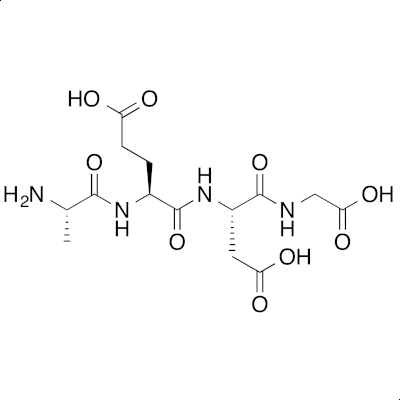 Epitalon is a synthetic tetrapeptide (Ala-Glu-Asp-Gly) developed from epithalamin, a naturally occurring pineal peptide complex studied extensively in Russian bioregulation and longevity research. Interest in Epitalon centers on its potential influence on telomerase activation, telomere maintenance, circadian rhythm regulation, oxidative stress reduction, and healthy aging pathways. Research has demonstrated that Epitalon may induce expression of telomerase reverse transcriptase (hTERT) and increase telomerase activity in human somatic cell cultures, leading to measurable telomere elongation in vitro. Animal studies conducted within the Khavinson research program have also reported lifespan extension and improved physiological resilience in aging models. More recent independent investigations have continued exploring its effects on telomere biology and cellular longevity mechanisms. Beyond telomere research, Epitalon has also been studied for its effects on melatonin production, pineal gland regulation, sleep quality, circadian stabilization, immune modulation, and oxidative balance. These properties have made it a notable compound in experimental longevity and regenerative science discussions Citations: https://pubmed.ncbi.nlm.nih.gov/12937682/ https://link.springer.com/article/10.1007/s10522-025-10315-x https://peptide.co/research/epitalon-peptide-research/ https://peptidescienceinstitute.org/peptide-library/epitalon/ https://pepguide.io/docs/peptides/epitalon
 Semax is a synthetic heptapeptide derived from the ACTH(4–10) fragment, originally developed in Russia for neuroprotective and cognitive enhancement research. It was specifically engineered to retain the neurotrophic and nootropic effects of ACTH while eliminating the hormonal stimulation associated with cortisol release. Research interest in Semax centers on neuroplasticity, BDNF upregulation, cognitive performance, stroke recovery, neurotransmitter modulation, and neuronal protection. Studies have demonstrated that Semax significantly increases expression of brain-derived neurotrophic factor (BDNF) and nerve growth factor (NGF), both of which play central roles in synaptic plasticity, memory formation, learning, and neuronal repair. Additional research suggests Semax modulates dopaminergic and serotonergic signaling pathways while reducing oxidative stress and inflammatory signaling within the central nervous system. These combined mechanisms have made Semax one of the most extensively studied nootropic peptides in modern peptide research. Semax has been investigated in experimental models involving ischemic stroke, traumatic brain injury, cognitive decline, optic nerve damage, ADHD, and neurodegenerative disease. Russian clinical use and preclinical data have contributed to a substantial body of literature exploring its effects on mental clarity, focus, recovery, and neural resilience. While Semax has a long history of medical use in Russia and Eastern Europe, it remains an investigational compound in most Western countries and is intended strictly for laboratory and scientific research purposes. Citations: https://pubmed.ncbi.nlm.nih.gov/11387277/ https://pubmed.ncbi.nlm.nih.gov/18097752/ https://pubmed.ncbi.nlm.nih.gov/25796615/ https://peptidescienceinstitute.org/peptide-library/semax/ https://peptide.co/research/semax-peptide-research/ https://www.peptidesinstitute.org/peptides/semax